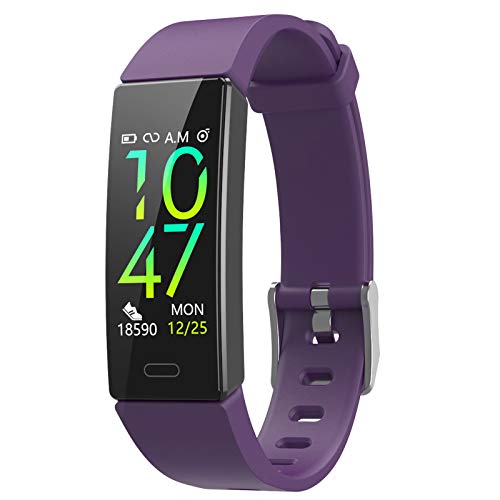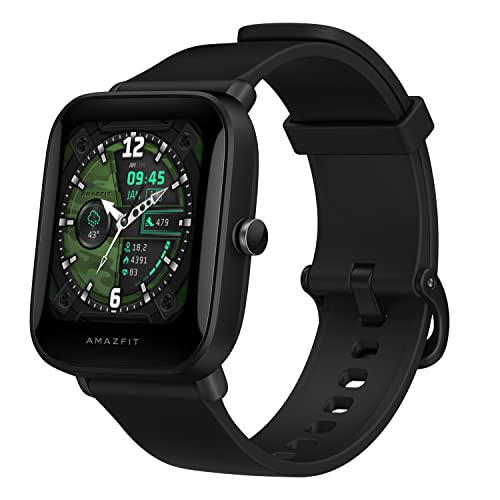
When shopping for health monitors, you want to make sure you’re getting something that really meets your needs. Here are some must-have features to look out for:
These features make your health monitor not just a gadget, but a true companion on your journey to better health. Look for devices that combine these functions for the best overall experience!
Types of Health Monitors Explained
Health monitors come in different shapes and sizes, each designed to keep an eye on various aspects of your wellbeing. Whether you’re looking to track your heart rate, monitor your sleep, or manage your fitness routine, there’s a device out there for you.
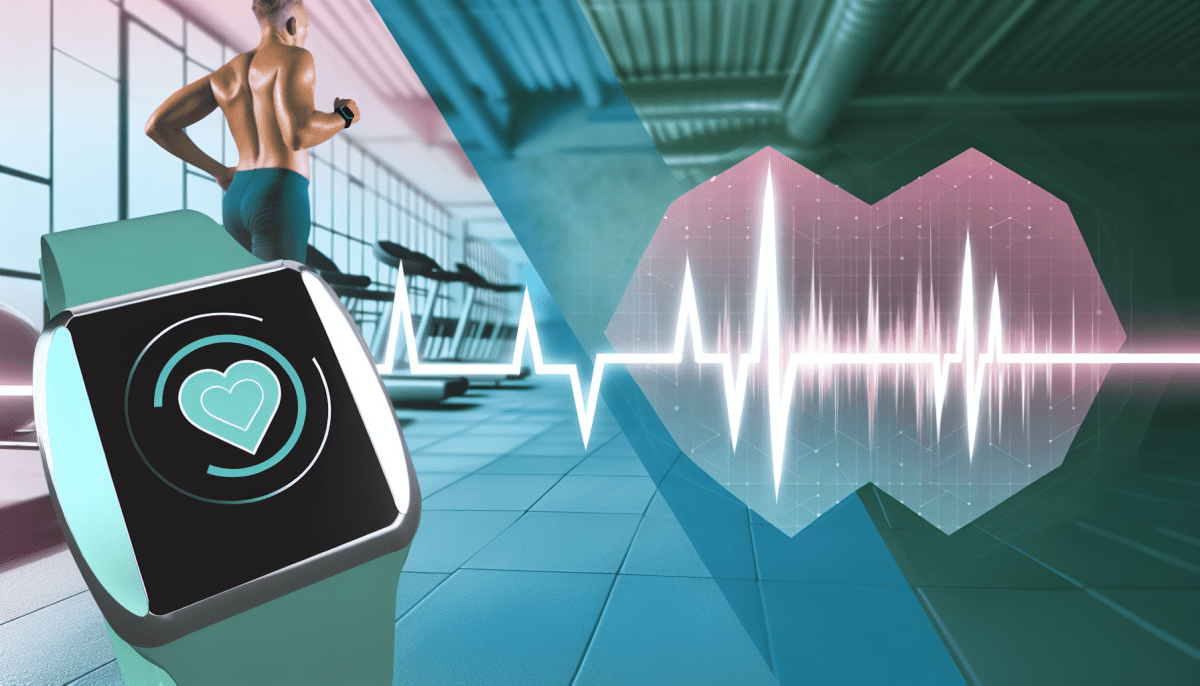
One popular type is the heart rate monitor. These devices can be standalone wearables or integrated into fitness trackers. They give you real-time updates on your heart rate, helping you stay within your target zone during workouts. This is super useful if you're training for a race or just trying to stay fit.
Sleep trackers are another game-changer. They usually come in the form of wrist bands or smartwatches. These devices monitor your sleep patterns, telling you how long you spent in each sleep stage. Understanding your sleep quality can guide you in making better choices for your nighttime routine, like winding down earlier or avoiding screens.
Then there are activity trackers. These little gems can count your steps, track your calories burned, and even keep an eye on your movements throughout the day. It’s motivating to see your progress and set new goals. Some even offer extra features like reminders to move or notifications when you’ve reached specific milestones.
Heart rate variability (HRV) monitors are also gaining traction. They help you gauge stress levels and recovery by measuring the time gap between heartbeats. This can help you fine-tune your workout intensity and make sure you’re not overdoing it. Whether you're looking to boost your fitness or just stay healthy, there's a health monitor that fits your needs just right.
How to Choose the Right Monitor
Choosing the right health monitor can feel overwhelming, but it doesn’t have to be. Start by thinking about what you want to track. Are you interested in heart rate, sleep patterns, or maybe even your daily steps? Knowing your goals helps narrow down your options.
Next, consider the features that matter most to you. For example, some monitors have built-in GPS for tracking outdoor activities, while others might offer smartphone notifications. If you want something simple, look for a basic fitness tracker. If you enjoy more detailed insights, a smartwatch could be a better fit.
Also, think about battery life. You don’t want to be charging your monitor every day. Some devices last a week or more, so check the specs before you buy. A longer battery means less hassle and more tracking.
Finally, read some reviews. Hearing from other users can give you a good idea of what to expect. Look for comments on comfort and ease of use, since you’ll likely wear this device regularly. Picking the right monitor is about finding the balance between features, comfort, and what fits your lifestyle.
Getting the Most Out of Your Monitor
Health monitors are pretty amazing tools, but if you want to get the best from yours, there are some easy tips to follow. First off, make sure you know what features your monitor has. Many can track heart rate, sleep patterns, and even stress levels. Check the user manual or the app that comes with it for a breakdown of all the cool stuff it can do!
Next up, keep your monitor charged and updated. It might sound like a no-brainer, but a monitor that’s low on battery won’t perform as well. Plus, updates often bring new features and fixes, making your experience smoother. Look out for these updates regularly—usually through the companion app.
Using the monitor consistently is key to getting accurate and useful data. Wear it daily, especially if it tracks things like activity or sleep. Try setting reminders for yourself to check in with the data. If you know some goals you want to hit, like getting more steps in each day, your monitor can help keep you accountable.
Lastly, don't forget to dive into the data. Many monitors come with apps that let you view trends and insights over time. Understanding this info can motivate you to make healthier choices. It’s not just about the numbers—it’s about how you can use them to feel your best!